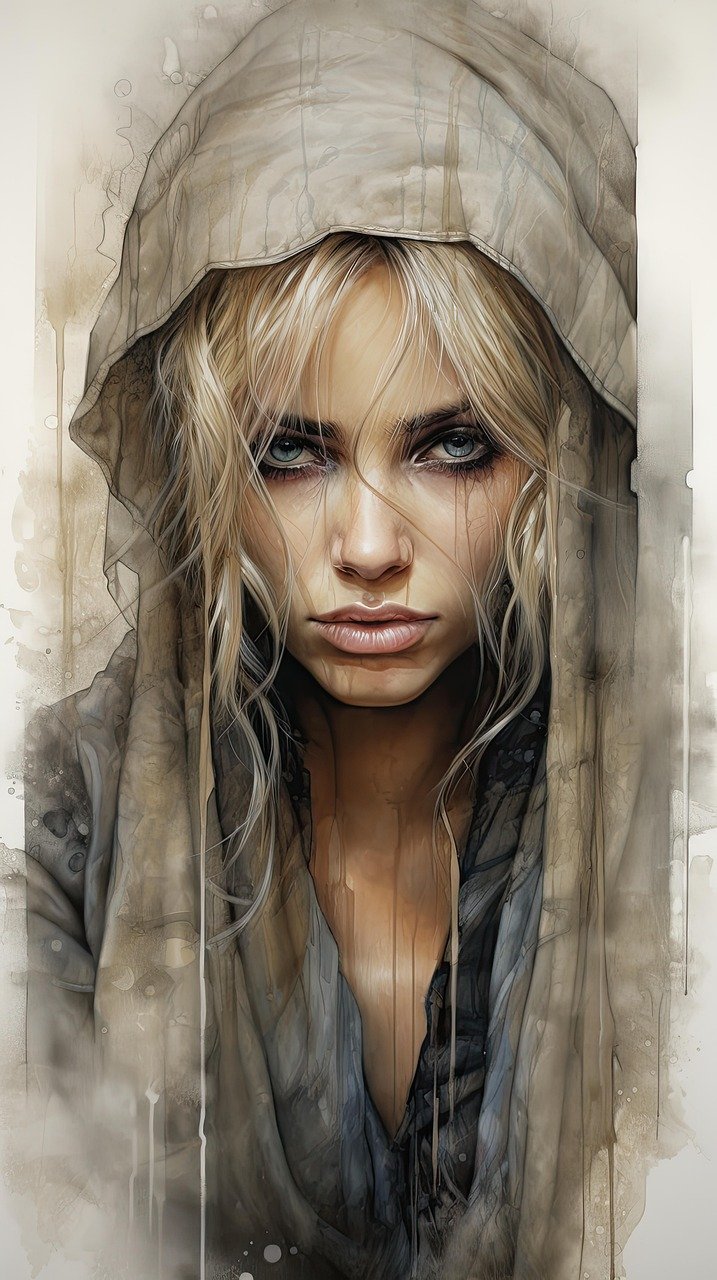
AI-generated images have transformed how businesses, creators, and marketers approach visual content, offering unparalleled speed and versatility. But here’s the unvarnished truth: while AI is an incredible starting point, it rarely delivers a client-ready, pixel-perfect image straight out of the box. Think of AI as a brilliant, incredibly fast intern who gets 90% of the job done, but needs a seasoned editor to catch the subtle (and sometimes not-so-subtle) mistakes. Editing and refining AI generated images isn't just an optional step for professional use; it's absolutely essential to bridge the gap between "good enough for a draft" and "ready for prime time."
This guide will walk you through the precise techniques, tools, and strategic mindset required to elevate your AI-generated visuals from raw potential to polished assets, ensuring they meet professional standards for quality, brand alignment, and aesthetic appeal.
At a Glance: Key Takeaways for Professional Image Refinement
- AI images are a starting point: Expect to edit for polish, accuracy, and brand alignment.
- Common AI quirks: Watch out for misaligned features, illogical textures, low resolution, and gibberish text.
- Beyond basic edits: Focus on technical enhancements (focus, color, resolution) and artistic customization.
- AI-native tools are powerful: Leverage generative fill, upscaling, and prompt-based edits for specific AI challenges.
- Strategic decision-making: Know when to edit a specific detail versus regenerating an entirely new image.
- Optimize for output: Prepare images differently for web (compressed, fast) versus print (high-res, detailed).
- Consistency is key: Establish a brand kit and visual style to guide AI and human edits.
Why Your AI Images Need a Human Touch: Understanding the Starting Point
You’ve likely seen the marvels of AI art — stunning landscapes, intricate character designs, abstract masterpieces. But you've also probably spotted the tell-tale signs of an unedited AI image: a hand with too many fingers, an eye subtly askew, text that looks like a forgotten alien language, or a general "plastic" flatness that screams "computer-generated."
These aren't failures of the AI, but rather inherent characteristics of its current generative process. AI models are trained on vast datasets, learning patterns and styles. However, true understanding of physics, anatomy, legible text, or consistent object behavior is still a frontier. This leads to unique challenges:
- Anatomical Anomalies: Hands, feet, and faces are notorious for strange proportions, missing digits, or uncanny symmetry.
- Unstructured Textures & Patterns: Fabrics might have illogical folds, backgrounds might blend into subjects unnaturally, or repetitive patterns could appear where they shouldn't.
- Strange Edges & Blending: Sometimes objects don't quite "sit" naturally in their environment, exhibiting unusual outlines or poorly integrated shadows.
- Gibberish Text: AI struggles with generating coherent, readable text, often producing nonsensical characters or distorted fonts.
- Low Resolution: Many initial AI outputs (e.g., 1024x1024 pixels) are too small for professional print or high-resolution digital displays, leading to pixelation when scaled up.
- "Plastic" or Unnatural Look: A common issue where lighting, shading, or surface textures lack the subtle imperfections and organic depth found in real photography.
These issues are precisely why professional editors and designers need to step in. Your goal isn't just to fix flaws, but to infuse the image with intentionality, personality, and brand alignment that only a human eye can truly deliver.
The Foundational Step: Assessing Your AI-Generated Image
Before you even touch a slider or a brush, take a moment for a critical assessment. This step is crucial for efficient editing, helping you decide what to fix, what to enhance, and whether the image is even worth the effort.
- Examine the Strengths and Weaknesses: What aspects of the image are working well? Is the overall composition strong? Does it capture the mood you intended? Conversely, what immediately jumps out as problematic (e.g., a wonky hand, weird lighting, blurry focus)?
- Evaluate Composition and Framing: Does the subject have enough breathing room? Is there unnecessary clutter? Could a slight crop improve the focus or balance?
- Scrutinize Textures and Details: Look closely at surfaces. Does skin look natural or waxy? Is fabric believable, or does it have strange, repetitive patterns? Are fine details (like hair strands or environmental elements) crisp or muddy?
- Analyze Sharpness and Focus: Is the main subject in sharp focus? Are there areas that should be sharp but aren't? AI can sometimes create an artificial sharpness that looks unnatural.
- Assess Lighting and Color Balance: Does the lighting feel natural and consistent with the scene? Are there strange shadows or highlights? Does the color palette align with your vision, or does it have an unnatural tint?
- Determine Functional Role Alignment: Most importantly, does the image meet its intended purpose? If it's for a product page, is the product clearly visible and appealing? If it's for an article header, does it convey the right emotion?
This initial assessment helps you prioritize your edits, saving you time by focusing on what truly matters for the image’s professional application.
Core Editing Techniques for AI Imagery: A Step-by-Step Approach
Once you know what needs fixing, it's time to dive into the practical application of editing techniques. These steps build upon each other, transforming your AI draft into a polished asset.
1. Enhance Exposure & Color: Building a Natural Base
This is often the first layer of refinement, as good lighting and color are fundamental to a professional aesthetic.
- Brightness & Contrast: Adjust these to give the image more depth and pop. Be careful not to "clip" your highlights (making them pure white with no detail) or crush your shadows (making them pure black).
- Shadows & Highlights: Fine-tune these specific areas. Lifting shadows can reveal hidden details, while pulling back highlights can recover lost information in bright areas, adding a more dynamic range.
- White Balance: Correct any unwanted color casts. If the image looks too cool (blue) or too warm (orange), adjust the white balance to achieve a neutral and realistic color rendition.
- Resolution Enhancement & Sharpening: While we’ll delve deeper into AI upscaling, basic sharpening tools can improve definition. Apply sharpening judiciously, focusing on key details, as over-sharpening can introduce noise or artifacts. Increase resolution only if necessary and using appropriate upscaling tools.
2. Retouch Key Elements: Correcting AI Quirks
This is where you directly address the "AI artifacts" and anatomical missteps that are common in generated images.
- Fixing Proportions and Symmetry: This is critical for faces and bodies. Tools that allow for subtle warping or cloning can correct a misaligned eye, a slightly too-long limb, or an asymmetrical facial feature.
- Smoothing Visible Artifacts: AI can produce blocky transitions or unnatural blurs. Use gentle smoothing brushes to soften these areas, making transitions more natural.
- Sharpening Focal Points: While general sharpening can be risky, selectively sharpening key areas like eyes, jewelry, or a product label can draw the viewer's attention and add perceived quality.
- Removing Imperfections: Just like with traditional photography, you'll want to remove distracting elements, sensor dust (if it somehow appears), or minor blemishes that detract from the overall image.
- Targeted Inpainting/Generative Fill (AI-Native): For more complex fixes like hands with too many fingers, distorted faces, or gibberish text, traditional cloning might not be enough. This is where AI-native tools shine. You can select the problematic area and use generative fill or inpainting to essentially "redraw" that section based on your prompt or the surrounding pixels. This is a game-changer for common AI pitfalls.
3. Customize with Effects: Adding Artistic Depth and Personality
Once the technical foundation is solid, you can imbue the image with your unique aesthetic.
- Overlays & Light Flares: Subtle overlays can add texture, dust, or a specific mood. Carefully placed light flares can simulate natural light sources and add cinematic quality.
- Shadows & Highlights (Artistic): Beyond corrective adjustments, you can creatively use shadows and highlights to sculpt the image, emphasize certain features, or create dramatic effects.
- Filters & Color Grading: Apply filters or perform color grading to establish a consistent mood or brand identity. This could mean a warm, inviting tone, a cool and modern feel, or a desaturated, vintage look.
- Layering Techniques: Use layers to build up effects, add text, or integrate other graphic elements. This allows for non-destructive editing and precise control over opacity and blending modes, helping create visual contrast or focus attention on a subject.
4. Focus on Color Accuracy: Aligning with Brand and Vision
Color is a powerful psychological tool. Ensuring color accuracy and consistency is vital for professional work.
- Apply Color Theory Principles: Understand how colors interact to evoke specific emotions. Is your brand vibrant and energetic, or calm and sophisticated? Let that guide your color choices.
- Color Correction: Beyond white balance, this involves fine-tuning individual color channels (red, green, blue) or hue/saturation/luminance (HSL) adjustments to ensure colors are true to life or consistent with your desired aesthetic.
- Brand or Project Identity Alignment: If you’re working for a brand, colors must precisely match their guidelines. Use eyedroppers and color codes to ensure logos, products, and overall imagery align perfectly. Achieving a desired aesthetic—whether warm, cool, or neutral—is paramount for visual storytelling.
AI-Native Solutions: Tools Built for the Future
The biggest leap in refining AI images comes from tools that are themselves AI-powered. These aren't just generic image editors; they're designed to understand and correct the unique challenges of generative AI outputs.
- Inpainting & Generative Fill: As mentioned, this is revolutionary. Instead of tedious cloning, you can brush over a problem area (e.g., a six-fingered hand, a strange pattern, a garbled text sign) and instruct the AI (often via a text prompt like "remove extra finger" or "replace with normal hand," or simply "fill content-aware") to redraw that specific section, seamlessly integrating it with the rest of the image. This feature is invaluable for correcting specific AI artifacts without affecting the image's overall composition.
- Resolution Enhancement/Upscaling: Initial AI outputs like 1024x1024 are often too small. AI upscalers can increase resolution to 4K or even 8K, not just by stretching pixels, but by "hallucinating" new, plausible details. This means adding realistic skin texture, fabric threads, or environmental nuances that prevent blurriness and maintain sharpness at larger sizes.
- Generative Extend (Outpainting): Need to change a square image to a wide landscape banner? Generative Extend allows you to seamlessly expand the image beyond its original boundaries. The AI intelligently predicts and generates new content consistent with the existing image, perfectly matching the style, lighting, and elements of the original. This is incredibly useful for adapting images to different aspect ratios or adding more context.
- Generative Lighting (Auto-Edit): AI can automatically adjust lighting and colors, helping to fix strange shadows or remove that "plastic look." Some tools allow you to specify desired light sources or moods (e.g., "add golden hour lighting," "make it dramatic"), giving you granular control without manual dodging and burning.
- Prompt-Based Editing: Many AI-native editors function like an AI agent. You can upload an image and then issue natural language instructions to make targeted changes, such as "Change the hat color to red," "Make the background an evening setting," or "Reduce shine on forehead." This conversational approach makes complex edits accessible and incredibly fast.
Platforms and Workflow: Bringing it All Together
Modern AI image editing platforms, like Typeface, integrate many of these AI-native features, streamlining the entire workflow for professional users.
- Integrated Toolkits: Look for platforms that offer a comprehensive suite of tools specifically tailored for AI outputs:
- Select/Inpaint/Erase: Brush over areas for manual selection or leverage automatic segmentation (which can identify distinct regions like sky, objects, people) to edit via text prompts or remove elements entirely.
- Auto-Crop: Quickly adjust image size and resolution to various common dimensions (square, landscape, custom) for different platforms.
- Dynamic Text Overlays: While AI struggles with initial text generation, these tools allow you to add basic captions, titles, or watermarks with customizable fonts and colors after the image has been generated.
- Adobe Express Integration: Some platforms offer seamless integration with professional design tools like Adobe Express, providing access to advanced typography, graphics, icons, shapes, and templates directly within your AI editing workflow. This combines the speed of AI generation with the power of professional design software.
- Brand Consistency Tools: For businesses, maintaining brand identity is paramount. Platforms that allow you to set up a "Brand Kit" are invaluable. This trains the AI on your brand’s tone, preferred assets, color palettes, and audience profiles, ensuring that images generated and edited align perfectly with your brand identity without extensive manual customization. This helps replicate styles consistently across all your visuals.
- Robust Export Options: Your refined images need to be delivered in the right format. Look for platforms that offer various export options, including:
- PNG: For high-quality images with transparency.
- JPEG: Ideal for web, offering good compression with acceptable quality.
- WEBP: A newer format known for superior compression and faster web loads.
- PSD: Preserves layers, allowing for further intricate editing in software like Adobe Photoshop.
Strategic Decisions: When to Edit vs. When to Regenerate
This is a critical efficiency question for anyone working with AI images. Knowing when to commit to editing and when to scrap and restart can save significant time and effort.
- Edit when:
- The core image is strong: Most of the composition, lighting, and general subject matter are exactly what you want.
- Minor, localized issues: Only a small part of the image needs alteration (e.g., fixing a hand, removing a distracting object, correcting a color cast, changing a small detail).
- Specific, targeted changes: You have a clear idea of how to fix the problem using inpainting, retouching, or prompt-based edits.
- Time-sensitive fixes: You're close to deadline, and a quick edit is faster than waiting for a new generation.
- Regenerate when:
- Fundamental flaws: The overall composition is weak, the subject isn't right, or the lighting is completely off.
- Extensive changes needed: If you find yourself needing to fix multiple large areas or if the "bones" of the image are bad.
- Conceptual shift: You realize the initial prompt or concept wasn't quite right, and an entirely new image is desired.
- Prompt refinement opportunity: A new generation allows you to refine your prompt based on what worked and didn't work in previous attempts. Consider how you Generate AI Images in the first place, and if your initial prompt could be improved.
The rule of thumb: If you're spending more time trying to force an image into something it's not, or if a significant portion of the image needs a complete overhaul, it's usually more efficient to regenerate with an improved prompt.
Optimizing Your Refined AI Images for Impact
Professional-grade images aren’t just about visual appeal; they’re also about performance and accessibility.
1. File Management and Accessibility
- Descriptive File Names: Use clear, descriptive file names (e.g.,
product-x-web-banner-v2.jpg,marketing-campaign-Q3-hero-image.png). This aids organization, makes images easier to find, and can even contribute to SEO. - Alt Text: Always add descriptive alt text (alternative text) to your images, especially for web. This improves accessibility for visually impaired users who rely on screen readers and boosts your SEO by providing search engines with context about your image content.
- Consistent Visual Style: Maintain a consistent aesthetic across all your images. This means using similar color grading, lighting styles, and subject treatment. A cohesive visual style strengthens brand identity and professionalism. Utilizing reference images to train AI models can help achieve consistent replication of styles, making subsequent edits smoother.
2. Output Optimization: Web vs. Print
The final destination of your image dictates how it should be prepared.
- For Web:
- Compress File Sizes: Large images slow down website load times, negatively impacting user experience and SEO. Use image optimization tools to compress files without significant loss of visual quality.
- Web-Friendly Formats:
- JPEG: Excellent for photographs and images with many colors and gradients, as it offers good compression.
- PNG: Ideal for images with transparency (like logos or icons) or sharp edges, as it uses lossless compression.
- WEBP: A modern format offering superior compression to JPEG and PNG, resulting in faster load times.
- Resolution: Generally, 72 DPI (dots per inch) is sufficient for web display, as screens primarily use pixels, not physical dots. Focus on pixel dimensions (e.g., 1920px wide) that fit your website layout.
- For Print:
- High Resolution: Print requires much higher resolution to prevent pixelation. Export images at 300 DPI (or more for very large prints) to ensure sharp, detailed output.
- Print-Friendly Formats:
- TIFF: A high-quality, lossless format preferred by many print shops. It retains all image data.
- PDF: Often used for documents incorporating images, graphics, and text, and can maintain high image quality for print.
- PSD (Photoshop Document): If you've been working in Photoshop, saving as PSD preserves all layers, which can be useful if the print shop needs to make final adjustments.
- Color Profile: For print, use CMYK (Cyan, Magenta, Yellow, Key/Black) color mode if possible, as this is the standard for commercial printing. RGB (Red, Green, Blue) is for screens, and while printers can convert, starting in CMYK can prevent unexpected color shifts.
Frequently Asked Questions About Refining AI Images
Q: Can I really fix AI-generated hands or faces?
A: Absolutely! This is where AI-native tools like inpainting or generative fill are transformative. By isolating the problematic area and using prompt-based or content-aware fill, you can direct the AI to intelligently redraw and correct anatomical errors, achieving highly realistic results.
Q: My AI images look "plastic" or artificial. How do I fix that?
A: This often stems from unnatural lighting, flat textures, or a lack of subtle imperfections. Use generative lighting tools to refine shadows and highlights, or manually adjust curves and levels to add depth. Experiment with adding subtle noise or texture overlays to break up the artificial smoothness and mimic real-world surfaces.
Q: Is it always better to upscale an image using AI?
A: For low-resolution AI outputs (like 1024x1024), AI upscaling is generally superior to traditional upscaling methods. AI upscalers "hallucinate" new details, adding texture and sharpness, whereas traditional methods merely stretch pixels, leading to blurriness. However, if your image is already high-resolution, minimal upscaling might be needed.
Q: How do I ensure my AI images maintain my brand's specific style?
A: Many advanced AI platforms allow you to create a "Brand Kit" or upload reference images. By training the AI with your brand guidelines, logos, and examples of your desired aesthetic, you can guide both the generation and the initial refinement stages to produce images that are consistently on-brand, reducing manual adjustments significantly.
Q: What's the biggest mistake people make when editing AI images?
A: Over-editing. It's easy to get carried away. The goal is refinement and natural integration, not to erase all traces of the AI. Also, not conducting a proper initial assessment, leading to wasted time fixing minor issues while major flaws remain unaddressed. Prioritize the fixes that will have the most impact.
Taking Your AI Visuals to the Next Level
The journey from a raw AI output to a professionally polished image is a blend of technical skill, artistic vision, and strategic decision-making. By embracing the unique challenges and leveraging the powerful, AI-native solutions now available, you're not just correcting flaws—you're transforming potential into impactful visual communication.
Think of it as a collaborative art form: AI provides the initial spark and incredible efficiency, but your expertise as an editor provides the nuance, the precision, and the human touch that elevates an image to truly professional standards. Master these techniques, and you'll unlock an unparalleled ability to create stunning, brand-aligned visuals that resonate with your audience and drive your objectives forward.